
Digital Distractions: The Three Layers
We tend to think of distractions as just notifications. But there’s actually three layers happening at once, and you’ve got to address each one separately.
Layer 1: Active Interruptions are the ones you see and hear — Slack messages, email alerts, phone calls, browser notifications. These demand immediate attention. They’re the loudest and most obvious.
Layer 2: Passive Temptations
Layer 3: Environmental Friction
Digital Tools That Actually Work
You don’t need to go off-grid. You need the right settings on tools you’re already using.
Focus Modes (iOS/Android)
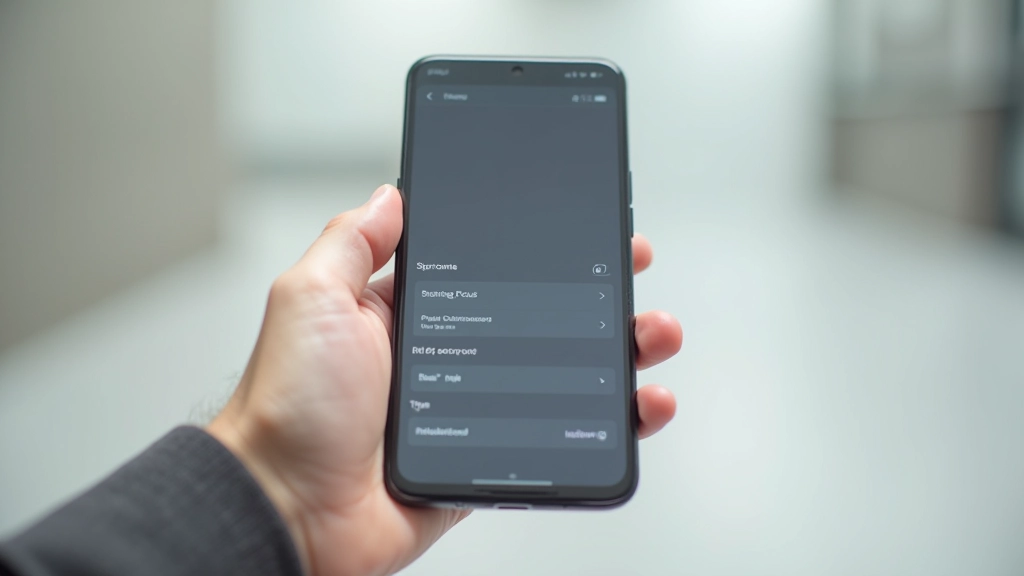
This is your first line of defense. On iPhone, create a “Deep Work” focus mode that blocks everything except calls from your 3 most important contacts. Set it to automatically turn on at 9 AM. Android has Do Not Disturb with similar controls. The key: make it automatic. Don’t rely on remembering to turn it on.
Email Batching with Scheduled Send
Stop checking email every 15 minutes. Instead, check it exactly 3 times: 10 AM, 2 PM, and 4:30 PM. Use Gmail’s “Schedule send” feature so clients think you’re checking email all day. They see your replies coming at 11:47 AM and 3:22 PM. You’re actually doing deep work between these blocks.
Slack Status & Do Not Disturb
Set your Slack status to “In Focus Time” and turn on Do Not Disturb for 90 minutes. Your team will see it. You won’t get notifications. The thing most freelancers don’t know: you can set this to happen automatically during certain hours. Your 10 AM–11:30 AM is protected every single day.
Website Blockers (Freedom, Cold Turkey)
Not just for blocking YouTube. Real website blockers let you create “locked” focus sessions where you can’t access specific sites even if you want to. You can’t quit the app. You can’t bypass it. Set it for 90 minutes and your brain stops asking “should I check social media?” because the answer is physically impossible.
Physical Distractions Matter More Than You Think
Your brain doesn’t separate digital and physical. A messy desk affects focus just as much as an email notification. Here’s what actually changes things.
Phone Distance. Don’t just silence your phone. Put it in another room. Seriously. Not on your desk. Not on the table behind you. In another room. The visual presence of your phone alone reduces cognitive capacity. Studies show people perform worse on focus tasks when their phone is visible, even if it’s face-down and silent.
Single Monitor Setup. Multiple monitors feel professional. They’re actually terrible for focus. You’ve got 3 things to look at instead of 1. If you work with multiple apps, use Alt+Tab. The friction of switching is actually good — it makes you intentional about what you’re looking at. One monitor for focus work. That’s it.
Desk Clearing Ritual. Before you start a focus session, spend 90 seconds clearing your desk. Not reorganizing it. Clearing it. Everything that’s not your laptop goes away. Papers, pens, second monitor, anything that catches your eye. You’re creating visual silence. Your brain can breathe.

The 90-Minute Protocol
You don’t need Pomodoro. You need something longer. Here’s what actually works for deep work in freelance projects.
Prep (5 minutes)
Clear your desk. Open only the files/apps you need. Close everything else. Turn on your focus mode. Close the door or put on headphones.
Focus Block (90 minutes)
Work. Don’t check anything. No email, no Slack, no phone. 90 minutes is the biological window before your dopamine levels naturally dip. You don’t need willpower at minute 85 — your body’s telling you to stop anyway.
Break (15 minutes)
Real break. Not checking your phone. Walk outside. Drink water. Stretch. Your brain needs metabolic recovery, not more stimulation. This break is why the next 90 minutes works.
Catch-Up (10 minutes)
Now you can check email, Slack, and messages. Spend 10 minutes responding. Then start another 90-minute block if you’ve got more focus time available.
Most freelancers can do 2 full blocks before lunch. That’s 3 hours of actual deep work. More than most people accomplish in a full day.
What Doesn’t Work (And Why You’ve Failed Before)
You’ve probably tried willpower. Tried blocking apps. Tried telling yourself you’ll just focus. Here’s why these fail.
Relying on willpower. Your willpower is a muscle that gets tired. By 2 PM, it’s exhausted. You can’t white-knuckle your way through distraction. You need systems that don’t require willpower. Website blockers. Focus modes. Physical distance from your phone. These work because they don’t ask you to be stronger than you are.
Trying to focus with notifications on. You think you’re ignoring them. You’re not. Every notification, even if you don’t consciously look, creates a tiny cognitive interrupt. Your attention bounces. You’re not actually concentrating — you’re context-switching constantly. The only solution is removing the stimulus entirely.
Not having a break strategy. You work for 3 hours straight. You’re fried. Next morning, your brain associates “focus time” with exhaustion. So you avoid it. The breaks are what make the focus sustainable. They’re not a reward. They’re essential.

The Real Deal
Killing distractions isn’t about being superhuman. It’s about being realistic. You’re not going to stop getting notifications. You’re not going to stop wanting to check your phone. But you can build a system where your environment does the work instead of your willpower.
Start with one thing this week. Turn on focus mode. Move your phone to another room. Use a website blocker for 90 minutes. Pick one. Test it for 3 days. See what changes. Most people who actually do this report getting more deep work done in one week than they did in the previous month.
The system works. You just have to actually use it.
Educational Note
This article provides information and suggestions for managing digital and physical distractions. Individual results vary based on personal circumstances, work environment, and device configurations. We recommend testing these approaches in your own context and adjusting them based on what works for your specific situation. If you’re struggling with focus-related issues that interfere with daily functioning, consulting with a healthcare professional is always appropriate.