
Deep Focus for Freelancers in Subang Jaya
Master Pomodoro and timeboxing to reclaim your focus. Real methods that actually work when you’re juggling multiple clients.

Meet the Coaches
Experienced freelancers and productivity experts who’ve built their careers around deep work.

Sarah Chen
Productivity Coach

Marcus Lee
Developer & Time Strategist

Amira Zahra
Content Strategist

David Ooi
Work Schedule Consultant
How to Start Deep Focus Work
A simple four-step approach to building your focus practice, from day one.
Understand Your Distractions
First week is about awareness. Track what actually pulls you away from work — it’s rarely what you think. Slack? Email? The urge to check your phone? Write it down.
Pick Your Method
Pomodoro (25 minutes on, 5 minutes off) works for some people. Others prefer timeboxing — blocking out 90 minutes for one specific task. Try both. See what sticks.
Build Your Environment
Phone on silent. Close unnecessary browser tabs. Tell your family you’re in focus mode. Environment matters way more than motivation. Make it hard to get distracted.
Track and Adjust
After two weeks, you’ll know what works. Don’t just stick with one method forever. Adjust as you go. Your focus needs change based on project type and energy levels.
Deep Focus & Distraction Control
Articles, guides, and real strategies for freelancers who want to actually get work done.

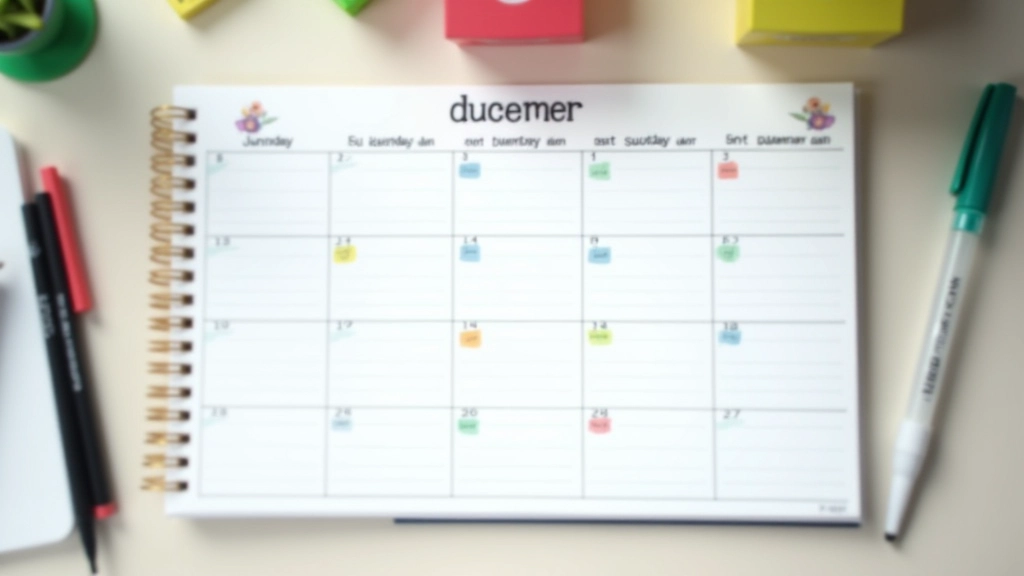
Timeboxing for Freelance Projects
How to block out time for deep work without getting interrupted. Simple system that works with client calls and deadlines.
Learn More
Killing Distractions — Digital & Physical
Notifications, email, Slack messages. We show you the exact tools and habits that actually stop interruptions during focus time.
Learn MoreWithout vs With Deep Focus Practice
The difference is noticeable in just a few weeks of consistent practice.
Without Deep Focus Method
- Constant context switching between tasks
- Checking email/Slack every few minutes
- Hard to estimate how long tasks actually take
- End of day with unclear progress
- Afternoon energy crash by 3pm
- Rushing to meet deadlines at last minute
With Pomodoro & Timeboxing
- Deep work blocks where interruptions stop
- Scheduled times to check messages
- Clear time estimates improve project planning
- Visible progress and completed work
- Energy stays steady throughout the day
- Deadlines become comfortable, not stressful
What Freelancers Say
Real feedback from people who’ve actually implemented these methods.
“Wasn’t sure if Pomodoro would work for my design projects. Tried it for a week and I’m actually finishing work earlier now. My clients even noticed the quality went up because I’m not rushing through things.”
“The hardest part was actually turning off Slack notifications. Once I did that though, everything changed. I get more done in 4 focused hours than I used to in 8 distracted ones.”
“I’ve been freelancing for 5 years and never had a real system. Started timeboxing projects last month and it’s honestly the biggest change I’ve made to my business. Quotes are more accurate, clients are happier.”
Core Principles
What we believe about focus, time, and real work.
Time is Real
You can’t get it back. So track it, protect it, use it intentionally.
Focus is a Skill
Like any skill, it gets stronger with practice. Start small. Build gradually.
Distractions are Designed
Apps, notifications, and messages are built to interrupt. Knowing this is half the battle.
Done is Better
Completed work beats perfect planning. Build your system. Refine it over time.
Common Questions
Everything you’re probably wondering about getting started.
Does Pomodoro actually work for creative work?
Yes, but it works differently. For creative work like design or writing, you might need longer blocks (45-90 minutes) instead of 25 minutes. The key principle stays the same: focused time, then a real break. Some creatives use Pomodoro for planning and admin work, then longer blocks for actual creation.
What if I have a lot of meetings? Can I still use these methods?
Absolutely. In fact, timeboxing is perfect for meeting-heavy schedules. You timebox your focus blocks around meetings instead of the other way around. If you know you have meetings 10am-12pm and 2pm-3pm, you protect the 12pm-2pm and 3pm-5pm blocks for deep work. Your calendar becomes your focus schedule.
I’m terrible at saying no to interruptions. How do I actually enforce focus time?
Start by making it obvious you’re in focus time. Slack status set to “In deep work until 2pm.” Door closed. Headphones on. Tell people your focus schedule in advance so they expect it. The first two weeks feel weird and people will test it. Stick with it. After 3-4 weeks, people stop interrupting because they know you’re serious.
What’s the best timer or app for this?
Honestly? The simplest tool works best. A kitchen timer, your phone’s clock app, or a website like pomofocus.io. The timer is less important than the structure itself. Don’t spend time finding the “perfect” app — pick one and use it for two weeks. You’ll know if you need something different.
How long before I see actual results?
Most people notice something by week two. Your first week is just learning the rhythm. By week three, you’ll see clearer progress on projects and better estimates of how long things take. Real habits form around week 4-6. Stick with it for at least a month before deciding if it’s working.